The True Cost of Decorated Cakes and Cupcakes Explained
- sunnyday831
- May 21
- 3 min read
Decorated cakes and cupcakes often come with a price tag that surprises many customers. When you see a beautifully crafted cake or a set of intricately designed cupcakes, you might wonder why they cost so much. For home bakers, pricing their creations can feel like walking a tightrope between fair compensation and customer expectations. This post explores why decorated cakes and cupcakes are expensive, why home bakers need to charge what they do, and how much time and effort goes into decorating these sweet treats.
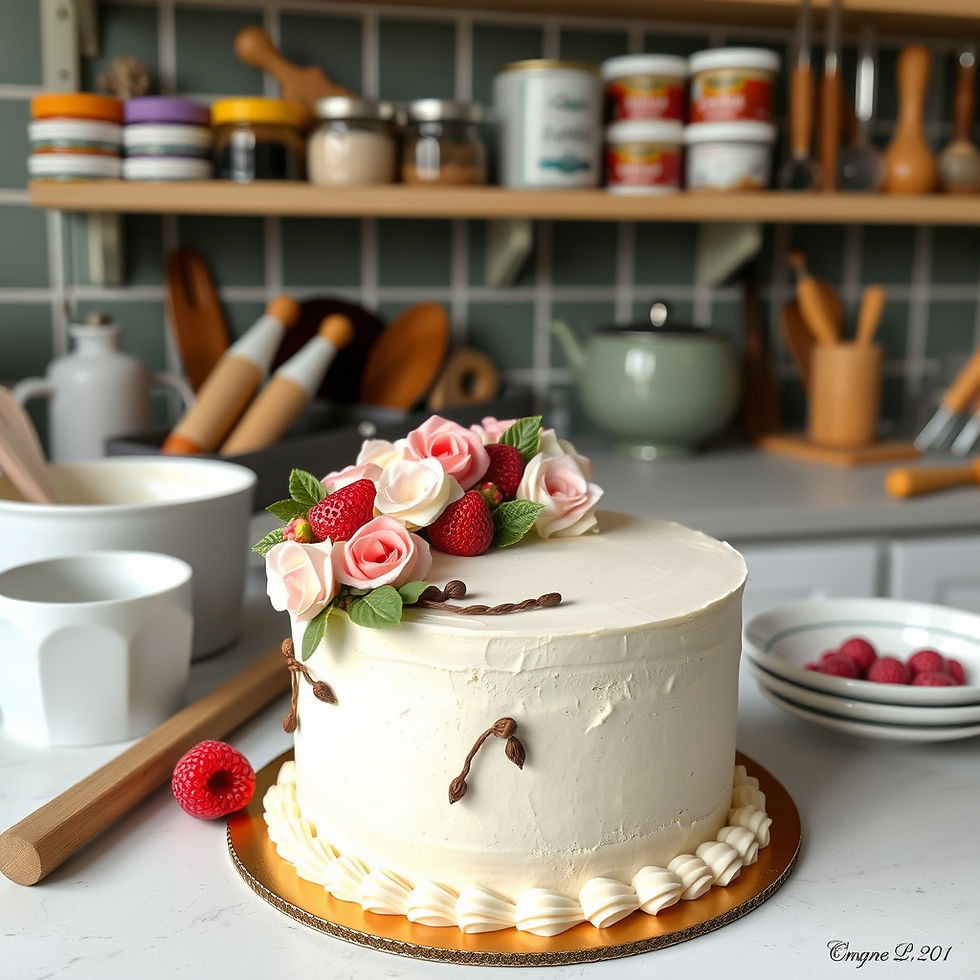
The Time Behind the Art
One of the biggest factors in the cost of decorated cakes and cupcakes is the time spent on decoration. Unlike plain cakes, decorated cakes require hours of detailed work. This includes:
Planning the design: Bakers often sketch or visualize the design before starting.
Baking and cooling: Cakes need to be baked perfectly and cooled completely before decorating.
Preparing decorations: This involves making fondant, gum paste flowers, or hand-piping intricate patterns.
Applying decorations: This step can take several hours depending on complexity.
For example, a simple buttercream rose decoration on a cupcake might take 5 minutes each, but a large wedding cake with multiple tiers and detailed sugar flowers can take 10 to 20 hours or more just for decoration.
Cost of Ingredients and Supplies
Home bakers do not have the purchasing power of large bakeries or big box stores. This means they pay more for ingredients and supplies such as:
Specialty flours and sugars
High-quality butter and chocolate
Edible colors and specialty decorating tools
Fondant, gum paste, and edible glitter
Large bakeries buy in bulk and get significant discounts, which lowers their cost per cake. Home bakers often buy smaller quantities at retail prices, increasing their ingredient costs. For example, a 50-pound bag of flour might cost $20 at wholesale, but a 5-pound bag at retail could cost $8, making the price per pound much higher.
Equipment and Overhead Costs
Decorating cakes requires specialized equipment that home bakers must invest in, such as:
Piping bags and tips
Turntables and cake boards
Airbrush machines or embossing tools
Refrigeration and storage space
These costs add up and must be factored into the price of each cake or cupcake. Unlike commercial bakeries, home bakers often work from their kitchens, which may not be optimized for large-scale production, adding to the time and effort required.
Skill and Experience Matter
Decorating cakes is a craft that takes years to master. The skill level of the baker influences the quality and complexity of the decoration. When you pay for a decorated cake, you are paying for:
The baker’s knowledge of techniques
Their artistic ability
Their experience in handling delicate materials
A highly skilled decorator can create stunning designs that justify higher prices. For example, a cake decorated with hand-painted details or realistic sugar flowers requires advanced skills and patience.
Pricing Strategies for Home Bakers
Home bakers must balance fair pricing with market expectations. Here are some common pricing considerations:
Hourly rate: Bakers often calculate how many hours they spend and multiply by a fair hourly wage.
Cost of ingredients: Total ingredient cost plus a markup.
Overhead: A percentage added to cover utilities, equipment wear, and other expenses.
Profit margin: A reasonable profit to sustain the business.
For instance, if a cake takes 10 hours to decorate, ingredients cost $30, and overhead plus profit add another $20, the final price might be $150 or more.
Why Customers Should Value Home Bakers’ Work
Many customers do not realize the effort behind decorated cakes and cupcakes. Home bakers often:
Spend long hours perfecting each detail
Use high-quality ingredients without bulk discounts
Invest in expensive tools and materials
Offer personalized designs tailored to customer requests
Supporting home bakers means appreciating their craftsmanship and dedication. It also helps sustain small businesses and encourages creativity in the baking community.
Tips for Customers Ordering Decorated Cakes
To get the best value and understand pricing, customers should:
Ask about the time and materials involved in their design
Understand that custom work takes longer than standard cakes
Be clear about budget and expectations upfront
Consider ordering simpler designs if cost is a concern
This transparency helps both bakers and customers have a positive experience.


Comments